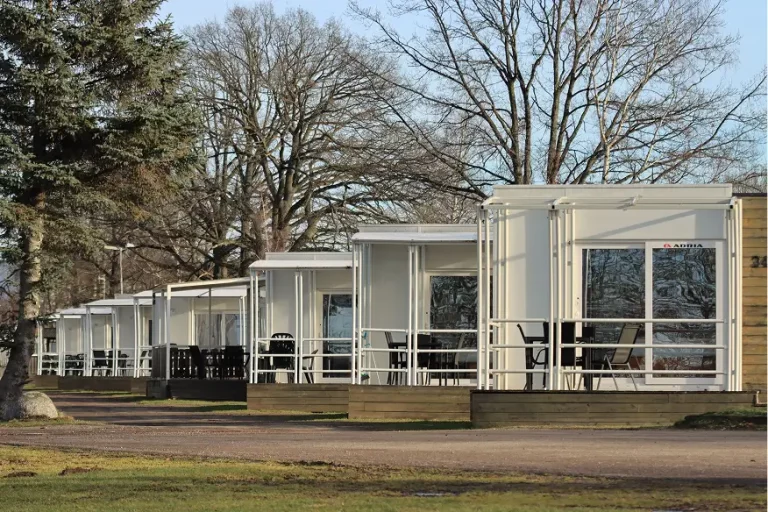
The tax rules for furnished holiday lets changed significantly in April 2025. The special Furnished Holiday Lettings (FHL) regime was abolished, bringing qualifying holiday lets broadly into the same tax regime as other property businesses.
One area where this change is particularly important is capital allowances. Under the old FHL rules, qualifying owners could claim capital allowances on certain plant and machinery used in their properties.
The position is now different for expenditure incurred after the FHL regime ended. However, owners who claimed capital allowances in the past should not assume that the relief has simply disappeared. Existing capital allowance pools can continue to be relevant, making it worth checking what was previously claimed and what remains available.
What Was the FHL Tax Regime?
The FHL regime gave qualifying holiday lets a number of tax advantages that were not generally available to ordinary residential landlords.
One important distinction was the treatment of capital expenditure. Qualifying FHL businesses could claim capital allowances on certain plant and machinery used in the property, including items that would generally fall outside the capital allowances rules for ordinary dwelling houses.
The regime was abolished for Income Tax and Capital Gains Tax purposes from 6 April 2025, with the equivalent Corporation Tax changes applying from 1 April 2025.
Properties that previously qualified as FHLs are now generally treated as part of the owner’s UK or overseas property business.
What Changed for Holiday Let Capital Allowances?
The main issue for holiday let owners is that the preferential capital allowances treatment associated with the FHL regime is no longer available for new expenditure simply because a property was previously operated as an FHL.
Under the old rules, qualifying expenditure could include existing or newly added items such as heating systems, electrical systems, kitchens, bathrooms and much more.
That treatment cannot simply be carried forward to new purchases made after the regime ended.
Instead, other forms of tax relief may need to be considered. For example, replacement domestic items relief can apply in certain circumstances when qualifying domestic items are replaced.
The important distinction is that replacement domestic items relief is not the same as capital allowances, and the two should not be treated interchangeably when planning expenditure.
What Happens to Capital Allowances Already Claimed?
This is one of the most important points for former FHL owners.
The abolition of the FHL regime did not simply wipe out capital allowance pools that had already been established. Where qualifying expenditure had been brought into a capital allowance pool before the relevant end date, the remaining pool may continue to receive relief under the applicable transitional rules.
Depending on the circumstances, this can include further writing-down allowances, as well as balancing adjustments when the pool is eventually dealt with.
For owners who operated an FHL for several years, there could therefore still be tax relief sitting within historic capital allowance records.
Rather than assuming the 2025 rule change brought everything to an end, it is worth checking the capital allowance schedules and previous tax computations to establish exactly what remains.
Why Reviewing Historic Claims Could Be Important
The value of a review will depend on what was claimed in the first place.
A former FHL may have accumulated qualifying expenditure over several years, particularly if the property was extensively furnished, fitted out or refurbished. If those costs were correctly included in a capital allowance pool, the pool may still have tax implications after the FHL regime has ended.
A review of the historic position can establish:
- What was originally claimed, if anything at all
- Which expenditure was included in the capital allowance pools
- Whether any unrelieved balance remains
- How that balance is being treated under the transitional rules
- Whether a sale, transfer or other change in circumstances could trigger a balancing adjustment
This can be particularly useful when selling a property or carrying out significant changes to its ownership or use.
What About New Expenditure on a Holiday Let?
This is where owners need to be careful.
The fact that a property was previously an FHL does not mean that new expenditure automatically receives the same capital allowances treatment that applied before April 2025.
For a property now falling within the ordinary residential property business rules, the restrictions on plant and machinery used in dwelling houses need to be considered.
There may still be tax relief available, but the correct treatment depends on what has been purchased, how it is used and the circumstances of the expenditure.
For example, where qualifying domestic items are replaced, replacement domestic items relief may be relevant. Other types of expenditure need to be considered separately rather than assuming that everything purchased for the property qualifies for the same relief.
This is particularly important when planning a major refurbishment. A landlord should not automatically treat the tax treatment of new expenditure as if the old FHL regime were still in place.
Don’t Write Off Historic Capital Allowances
The end of the FHL regime does not mean that former holiday let owners should simply forget about capital allowances.
If you previously made a claim, there may still be an existing pool generating relief. The potential value will depend on the original expenditure, the allowances already claimed and what has happened to the property since.
This is why historic records are important. Previous capital allowance schedules, tax computations, property invoices and acquisition documentation can all help establish what has already been claimed and what remains.
It is also a good reason to avoid making assumptions based solely on the fact that the FHL regime has ended.
How Eureka Capital Allowances Can Help
The changes to the FHL regime have left many property owners with questions about expenditure they claimed before April 2025 and how those claims should now be treated.
At Eureka Capital Allowances, we can review the historic capital allowance position of former FHL properties and help identify what relief may still be available. We can also help property owners understand the distinction between historic capital allowance claims and the tax treatment of expenditure incurred under the post-FHL rules.
If you previously operated a furnished holiday let and claimed capital allowances, reviewing the position could help you establish whether there is still an unrelieved pool or another opportunity that needs to be considered.
Conclusion
The abolition of the FHL Tax Regime changed the way capital expenditure on holiday lets is treated. Owners can no longer rely on the preferential capital allowances rules that applied when their property qualified as an FHL.
However, the change does not necessarily mean that historic capital allowance claims have no further value and you cannot still claim.
For FHL owners, the sensible starting point is to establish what was claimed before the regime ended, whether an existing pool remains and how the transitional rules affect it. New expenditure should then be considered under the rules that apply to the property today.
If you operate an FHL and are unsure what happens to your capital allowance position following the 2025 changes, Eureka Capital Allowances can review the position and help you understand whether further relief may be available.
Furnished Holiday Let owners may still be able to claim historic capital allowances where the property qualified as an FHL before the regime was abolished. For individuals and partnerships, the key deadline to amend the final 2024/25 tax return is 31 January 2027.
For limited companies with a 31 March 2025 year end, the deadline will typically be 31 March 2027. Abolition did not remove the right to claim historic allowances, but the window to secure them is now closing.